

Why Roofing Emergencies Can Happen in Any Season
Your roof is constantly exposed to changing weather conditions. Heavy rain, strong winds, high temperatures, falling debris and freezing conditions can all contribute to roof damage over time. While some roofing problems develop gradually, others can appear suddenly and require immediate attention.
A small roof defect may not initially seem serious, but a damaged tile or failed flashing can allow water to enter the property. Once water gets beneath the roof covering, it can spread into insulation, ceilings, walls and other parts of the building. What begins as a small leak can therefore become a much larger problem if it is left unresolved.
Roofing emergencies can affect homeowners, landlords, businesses, shops, offices and other properties across London. When a roof is actively leaking, has suffered storm damage or has become unsafe, waiting several days for a standard roofing appointment may not be practical. This is where an emergency roofer can provide urgent assistance.
Spring Roofing Problems: Rain, Wind and Hidden Winter Damage
Spring brings changing weather conditions across London, with periods of rain and strong winds often following the colder winter months. This can reveal roofing problems that may have developed during winter but were not immediately visible.
Missing or damaged tiles, deteriorated flashing, blocked roof drainage and damaged gutters can all contribute to water entering a property. Spring rainfall can quickly expose these weaknesses, particularly when a roof already has damaged or ageing materials.
Spring is therefore a useful time to inspect the roof for signs of damage. Water stains on ceilings, damp patches in loft spaces, loose tiles and overflowing gutters should not be ignored. If heavy rain is entering the property through the roof, an emergency roofing service may be needed to assess and secure the affected area.
Summer Roofing Emergencies: Heat, Storms and Sudden Damage
Summer may bring periods of dry weather and higher temperatures, but it can also produce sudden storms. Heavy rainfall, strong winds and thunderstorms can damage roof coverings, gutters, flashing and other external components.
High temperatures can also place stress on certain roofing materials, particularly where a roof is already old or deteriorating. Small weaknesses may become more noticeable as materials expand and contract with changing temperatures.
Summer storms can create an especially urgent situation when roof tiles are displaced or sections of the roof covering are damaged. If the property is left exposed, subsequent rainfall can allow water to enter quickly. Calling an emergency roofer promptly can help secure the damaged area and reduce the risk of further internal damage.
Autumn Roofing Issues: Prepare Your Roof Before Winter
Autumn is an important season for preparing a roof for the colder months ahead. Falling leaves and debris can collect around gutters, roof valleys and drainage points, potentially preventing rainwater from flowing away correctly.
Blocked drainage can cause water to accumulate around parts of the roof, increasing the risk of leaks and water ingress. Strong autumn winds can also expose weaknesses in roof coverings, particularly where tiles, slates or other materials are already loose.
A roof that is already showing signs of deterioration should not be left until winter. Addressing loose tiles, damaged flashing, leaking gutters and other visible problems before severe weather arrives can help reduce the likelihood of an emergency repair later in the year.
Winter Emergency Roofing: Storm Damage and Serious Roof Leaks
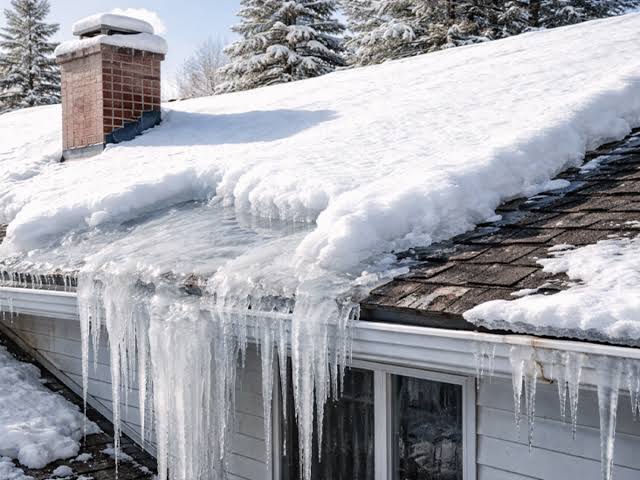
Winter can be one of the most demanding seasons for roofs. Strong winds, persistent rainfall and occasional freezing conditions can place considerable stress on roofing materials. Storm damage can dislodge tiles, damage roof edges and expose parts of the building to the elements.
A serious roof leak during winter can be particularly disruptive. Water entering through a damaged roof can quickly affect ceilings, walls, insulation and electrical areas. The longer the building remains exposed, the greater the potential for internal damage.
If a storm has caused visible roof damage or water is actively entering your property, it is important to arrange professional assistance as quickly as possible. An emergency roofer can assess the condition of the roof and determine what immediate work is required to protect the property.
What Counts as a Roofing Emergency?
Not every roofing issue requires an emergency response, but some situations should be treated as urgent. A major roof leak, significant storm damage, missing sections of roof covering, displaced tiles or visible structural damage can leave a property vulnerable to further damage.
Water entering through the roof is one of the clearest warning signs. Even if the leak initially appears small, continuing water ingress can affect ceilings, plasterwork, insulation and electrical systems. A leak that occurs during heavy rainfall can also become considerably worse as the weather continues.
A roofing emergency may also involve dangerous loose materials. Tiles, slates, roofline components or other debris can potentially fall from a damaged roof, creating a hazard for people and property below. In such circumstances, professional assessment should take priority over attempting to inspect the roof yourself.
Common Signs You May Need an Emergency Roofer
Some roofing emergencies are obvious, while others begin with subtle warning signs. Water stains on ceilings or walls can indicate that water is entering somewhere above, while dampness in a loft can point towards a problem with the roof covering or flashing.
Visible missing or broken tiles should also be taken seriously, particularly when bad weather is expected. A single damaged tile can leave an area beneath it vulnerable to rain, and strong winds can cause an existing problem to spread.
Other warning signs include dripping water during rainfall, damaged flashing around chimneys or roof joints, sagging areas, overflowing roof drainage and sections of the roof that appear to have shifted. If these problems appear suddenly or are causing active damage, an emergency roofing service may be appropriate.
What to Do During a Roofing Emergency
If water begins entering your property through the roof, the first priority should be protecting people and avoiding areas that may be unsafe. If water is close to electrical equipment or fittings, avoid contact with the affected area and take appropriate safety precautions.
Where it is safe to do so, move furniture and belongings away from the affected area and place suitable containers beneath minor internal leaks. These are temporary measures designed to reduce immediate damage while professional help is arranged.
Do not attempt to climb onto a damaged roof during strong winds, heavy rain or other dangerous weather conditions. Roof repairs involve working at height and can be hazardous without the appropriate equipment and experience. An emergency roofer can assess the roof safely and determine what action is required.
Emergency Roof Repairs After Storm Damage
Storms can transform a previously manageable roofing problem into an emergency within a matter of minutes. Strong winds can loosen tiles, damage flashing, remove roof coverings and cause debris to strike the roof. Heavy rainfall can then enter through exposed areas.
The most important consideration after storm damage is preventing further exposure. Depending on the condition of the roof, an emergency roofer may need to carry out temporary protective work before permanent repairs can be completed.
Emergency roof repairs can therefore involve more than simply replacing a damaged tile. The roofer may need to inspect surrounding areas to determine whether additional components have been affected by the storm.
Emergency Roofing for Landlords and Property Managers
Roofing emergencies can be particularly stressful for landlords and property managers. A tenant reporting water entering a property requires prompt attention, especially when the leak is affecting living areas or essential parts of the building.
A delayed response can allow water damage to spread and potentially create additional repair requirements. Landlords may therefore need access to emergency roofing assistance when a serious roof fault occurs outside normal working hours.
For property managers looking after multiple buildings, an on-demand platform can provide a practical way to locate available tradespeople when an urgent roofing problem needs attention.
Emergency Roofing for London Businesses
A damaged roof can have a significant effect on commercial premises. Water entering an office, shop, restaurant, warehouse or other business property can damage stock, equipment, furniture and internal finishes while disrupting normal operations.
Businesses may also have customers, employees and visitors on site, making unresolved roof damage an additional concern. A leaking roof can create wet surfaces and other hazards, while loose external materials may pose risks around the building.
An emergency roofer can assess the situation and identify the immediate steps required to make the property safer and reduce further damage. Rapid attention can be particularly important when a business needs to remain operational.
How Tradze Works When You Need an Emergency Roofer
When a roofing emergency happens, finding an available professional quickly can be difficult. Calling different roofing companies, waiting for callbacks and trying to establish who can attend can add unnecessary stress, particularly when rain is already entering the property.
Tradze Rapid Response is built around on-demand emergency trade services. When a customer needs an emergency roofer, they can use the Tradze platform to request the service and find an available tradesperson for the job.
The process is designed around booked, paid and tracked jobs rather than simply submitting a lead enquiry. Customers can request the required service through the platform, while available traders can receive nearby job opportunities and accept or decline them based on their availability.
Once a roofer accepts the job, the customer can have greater visibility of the service process, including live tracking where available. This helps create a more connected experience between the customer and the emergency tradesperson, particularly when the customer needs to know when professional help is on the way.
For an urgent roofing problem, the benefit of an on-demand platform is that customers have a dedicated route for finding available trade support rather than relying solely on traditional appointment-based searches.
Why Fast Action Matters During a Roof Emergency
The longer a damaged roof remains exposed, the more opportunity there is for water and weather to cause additional damage. A missing tile may allow rainwater to reach the underlying structure, while a damaged roof section can expose insulation and internal areas to the elements.
Water damage can extend beyond the original leak. Moisture can affect ceilings, plaster, insulation, timber and other building materials. If electrical components are affected, additional safety concerns may also arise.
Fast professional assessment does not necessarily mean that a complete roof replacement is required. In many emergency situations, the immediate objective is to identify the source of the problem, limit further damage and determine what repairs are necessary.
Emergency Roofing Versus Routine Roof Maintenance
Routine roof maintenance and emergency roofing serve different purposes. Maintenance focuses on identifying and addressing issues before they become serious, while emergency roofing is concerned with urgent problems that are already affecting the property or creating a significant risk.
Regular inspections can help identify cracked tiles, damaged flashing, blocked drainage and other issues before severe weather makes them worse. However, even a well-maintained roof can suffer sudden damage from storms, falling objects or unexpected failures.
Knowing the difference between a routine repair and an emergency situation can help property owners respond appropriately. If there is active water ingress, major storm damage or an immediate safety concern, waiting for a convenient maintenance appointment may not be suitable.
How to Prepare Your Roof for Every Season
Seasonal roof maintenance can help reduce the likelihood of unexpected problems. Spring provides an opportunity to inspect for winter damage, summer is a useful time to check the condition of roof coverings before storm periods, autumn is ideal for clearing drainage areas, and winter preparation can help identify weaknesses before severe weather arrives.
Gutters and drainage points should be kept clear, while visible damage should be professionally assessed rather than ignored. Property owners should also pay attention to internal warning signs such as damp patches, water stains and unexplained moisture in loft spaces.
Although maintenance cannot prevent every roofing emergency, identifying problems early can reduce the chance of a small defect becoming a major leak during severe weather.
When You Should Call an Emergency Roofer
If your roof is actively leaking, has suffered significant storm damage, has missing or displaced roof coverings, or has become visibly unsafe, professional assistance may be required urgently. These situations can worsen quickly, particularly when further rain or strong winds are expected.
Trying to repair a damaged roof yourself can also create serious risks. Roofing involves working at height, and wet or damaged surfaces can be extremely dangerous. Temporary measures from ground level may help limit internal damage, but professional assessment is important for the actual roof problem.
For London homeowners, landlords and businesses, having access to emergency roofing services means there is a practical option when a serious roof problem occurs unexpectedly.
Stay Ready for Roofing Emergencies Throughout the Year
Every season can bring different challenges for London roofs. Spring rainfall can expose hidden winter damage, summer storms can cause sudden structural and tile damage, autumn leaves can affect roof drainage, and winter weather can bring heavy rain, strong winds and serious leaks.
The key is to take roofing warning signs seriously and act quickly when damage occurs. A leaking roof should not simply be left until the weather improves, and visible storm damage should not be ignored because the property appears dry at the moment.
Tradze Rapid Response provides an on-demand route to emergency roofing assistance, helping customers connect with available tradespeople when they need urgent help. Through the platform, customers can request an emergency roofer, receive a booked and tracked service and stay informed while professional help is on the way.
Whether you are dealing with a sudden roof leak, missing tiles after a storm or serious weather-related damage, fast professional attention can help protect your property and prevent a roofing emergency from becoming an even larger problem.
 Add a new comment