

Choosing the right tools can make a significant difference to a tradesperson's productivity. Whether you're a plumber, roofer, electrician, builder, or general handyman, having reliable equipment can help you complete jobs efficiently and professionally.
One of the most common decisions tradespeople face when buying power tools is whether to choose cordless or corded equipment.
Both have their strengths. The right choice depends on the type of work you do, where you work, how often you use your tools, and how much portability matters to you.
Here's a practical comparison for UK tradespeople.
Corded Tools: Reliable Continuous Power
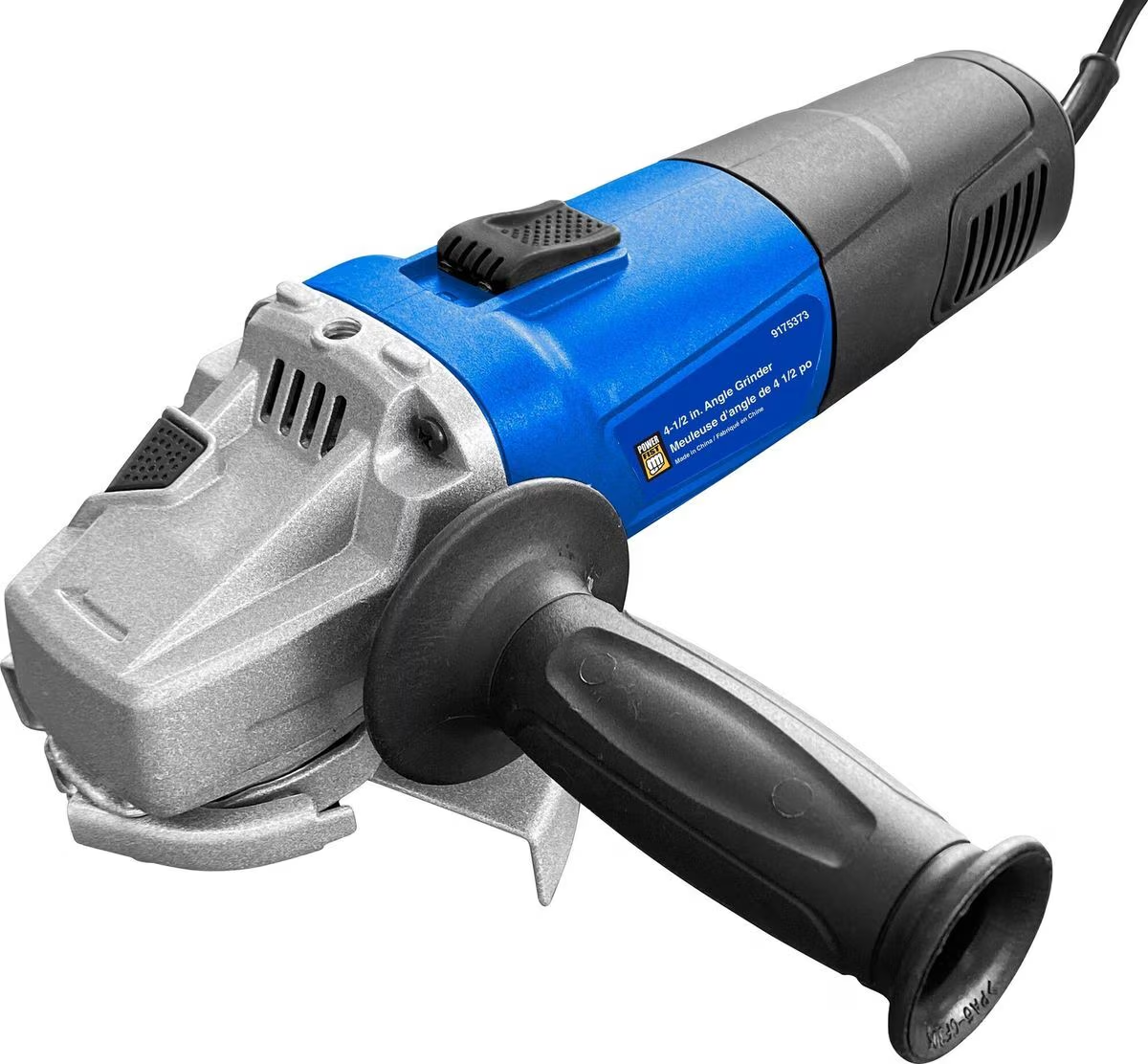
Corded tools are powered directly from an electrical supply. As long as you have access to a suitable power source, you can continue working without worrying about battery capacity.
Advantages include:
- Consistent power throughout the job
- No need to recharge batteries
- Suitable for long periods of continuous use
- Often available at competitive prices
- Useful for demanding applications
For workshop-based work or larger projects where electricity is readily available, corded tools can still be an excellent choice.
Cordless Tools: Freedom to Move
Cordless tools have become increasingly popular among tradespeople because they offer greater flexibility.
Modern battery technology means cordless drills, impact drivers, saws, grinders, and other tools can provide substantial performance without requiring a mains connection.
Key advantages include:
- Greater portability
- No trailing power cables
- Easier access to difficult locations
- Faster setup
- Convenient for emergency and mobile jobs
For tradespeople travelling between customer properties, this flexibility can be particularly valuable.
Why Cordless Tools Can Be Useful for Mobile Tradespeople
Many UK tradespeople spend a significant part of their working day travelling between different properties. Carrying cordless tools can make it easier to move quickly from one job to another.
For emergency plumbers, electricians, roofers, and other mobile professionals, not having to search for a convenient power socket can save valuable time.
This is particularly useful when responding to urgent customer requests where speed matters.
When Corded Tools May Be the Better Choice
Cordless doesn't automatically mean better.
Corded tools can still be the preferred option when:
- You are working for several hours continuously
- High power output is required
- A reliable mains supply is available
- Battery charging isn't practical
- The tool is mainly used in a workshop or fixed location
For some heavy-duty applications, corded equipment can provide dependable performance without the interruption of changing or charging batteries.
Consider the Total Cost
Price isn't the only factor when comparing tools.
With cordless equipment, you may need to consider the cost of:
- Batteries
- Chargers
- Additional battery packs
- Replacement batteries over time
However, one advantage is that many manufacturers offer compatible battery systems across multiple tools. Once a tradesperson has invested in a battery platform, additional tools may be easier to purchase without needing another complete charging setup.
Corded tools, meanwhile, don't require batteries but may require suitable extension leads and safe access to power.
Don't Forget Safety
Whichever option you choose, safe tool use should always come first.
Tradespeople should:
- Inspect tools before use
- Follow manufacturer instructions
- Wear appropriate PPE
- Keep equipment maintained
- Use suitable power supplies and leads
- Remove damaged tools from service
For cordless equipment, batteries should also be stored, transported, and charged according to the manufacturer's guidance.
So, Which Is Better?
There isn't one answer for every tradesperson.
Cordless tools are generally better for mobility, convenience, emergency callouts, and jobs where access to electricity is limited.
Corded tools can be better for continuous, demanding work where reliable mains power is available.
For many modern tradespeople, the best approach is actually to have both. Cordless tools can handle mobile jobs and quick repairs, while corded equipment can provide dependable power for longer or more demanding projects.
The Right Tools and the Right Jobs
Having good equipment is only part of running an efficient trade business. Knowing where your next job is coming from and managing your schedule effectively can be just as important.
Platforms such as Tradze Rapid Response help connect customers with nearby tradespeople who are available for work. Having the right tools ready in your vehicle means you can be better prepared when a suitable job comes through.
Conclusion
Cordless and corded tools both have an important place in the modern trade industry. The best choice depends on your trade, working environment, job requirements, and how much mobility you need.
For tradespeople who regularly travel to customer properties across London and the UK, cordless tools can provide valuable flexibility. For workshops and demanding continuous applications, corded tools can still offer dependable performance.
Ultimately, building a practical tool kit that combines both options can give tradespeople the flexibility to handle a wider range of jobs confidently and efficiently.
 Add a new comment