

Electrical work is one of the most hazardous tasks in the trades industry. Whether you are installing new systems, repairing faults, or carrying out inspections, safety should always be your top priority. A small mistake can lead to severe injuries, equipment damage, or even fatal accidents. By following proper safety procedures and using the right equipment, tradespeople can significantly reduce these risks and ensure every job is completed safely and professionally.
Before starting any electrical task, it is vital to understand the system you are working on. Always plan your work, identify potential hazards, and make sure you are properly trained for the job. Never attempt tasks beyond your level of competence, as this increases the likelihood of accidents.
Essential Safety Practices in Electrical Work
• Always isolate the power supply before starting work
Ensure the circuit is completely switched off and locked out to prevent accidental energising
• Test before you touch
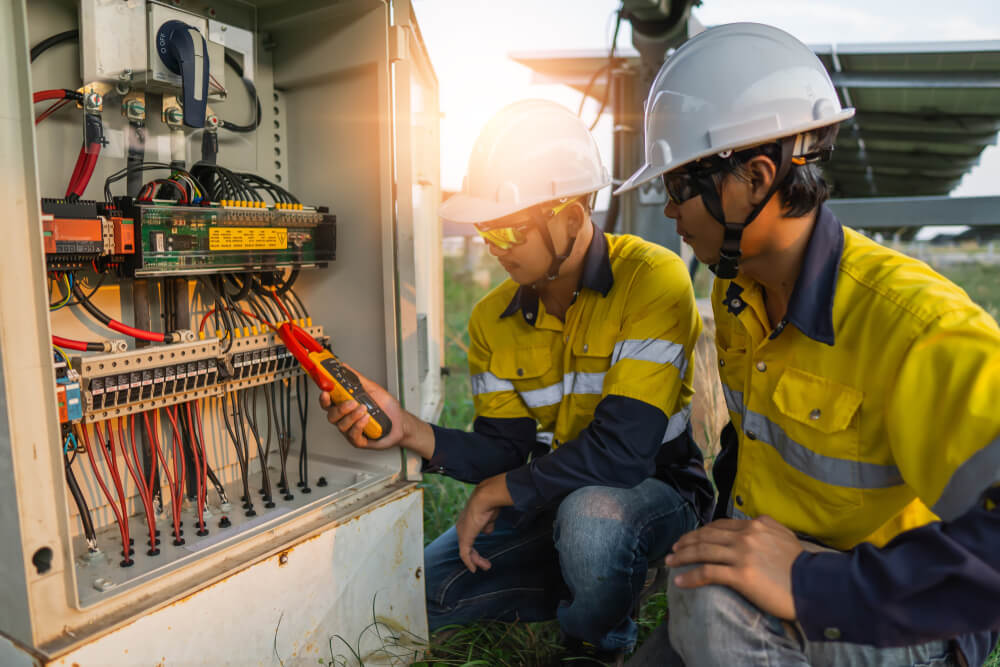
Use a voltage tester to confirm that no current is present, even if the power is turned off
• Use the correct tools and equipment
Only use insulated tools designed for electrical work to reduce the risk of shock
• Wear appropriate Personal Protective Equipment (PPE)
Use insulated gloves, safety boots, and eye protection when handling electrical components
• Avoid working in wet conditions
Water increases conductivity and significantly raises the risk of electric shock
• Maintain a safe working environment
Keep your workspace dry, organised, and free from unnecessary hazards
Understanding Common Electrical Hazards
Electrical work involves several potential dangers that must be recognised and managed carefully.
• Electric shock
Occurs when the body comes into contact with a live electrical current
• Arc flash and burns
High-energy electrical faults can cause severe burns and injuries
• Fire hazards
Faulty wiring or overloaded circuits can lead to dangerous fires
• Faulty equipment
Damaged cables or tools can increase the risk of accidents
Being aware of these hazards allows tradespeople to take proactive steps to prevent them.
Safe Working Procedures
Following structured procedures is key to maintaining safety on every job.
• Carry out risk assessments before starting
Identify potential dangers and put control measures in place
• Follow proper lockout and tagout procedures
Ensure circuits cannot be accidentally switched on while work is in progress
• Work within your qualifications
Only perform tasks you are trained and certified to handle
• Keep up to date with safety standards
Regularly review industry guidelines and best practices
Importance of Training and Certification
Proper training is essential for anyone involved in electrical work. Qualifications not only improve your skills but also ensure you understand safety regulations and procedures. Continuous learning helps tradespeople stay up to date with new technologies, tools, and safety standards, reducing risks on-site.
Emergency Preparedness
Even with all precautions in place, emergencies can still occur. Being prepared can make a significant difference.
• Know how to respond to electric shock incidents
Immediately disconnect the power source and seek medical assistance
• Keep first aid equipment accessible
Ensure your site has a well-stocked first aid kit
• Understand fire safety procedures
Use appropriate fire extinguishers designed for electrical fires
• Have emergency contacts readily available
Quick communication can save lives in critical situations
 Add a new comment