

Roofing is one of the most physically demanding and hazardous trades in the construction industry. Working at height, handling heavy materials, and facing unpredictable weather conditions all increase the risk of accidents.
For roofers across London and the UK, maintaining strong health and safety standards is essential not only for personal protection, but also for delivering professional and reliable service.
Here are the key health and safety practices every roofer should follow.
Prioritise Fall Protection at All Times
Falls remain one of the biggest risks in roofing work.
Roofers should always:
- Wear properly fitted safety harnesses
- Use guardrails or edge protection where possible
- Secure ladders before climbing
- Inspect access points before starting work
Even experienced roofers should never ignore fall prevention procedures.
Wear Appropriate Personal Protective Equipment (PPE)
Proper PPE reduces the risk of injury significantly.
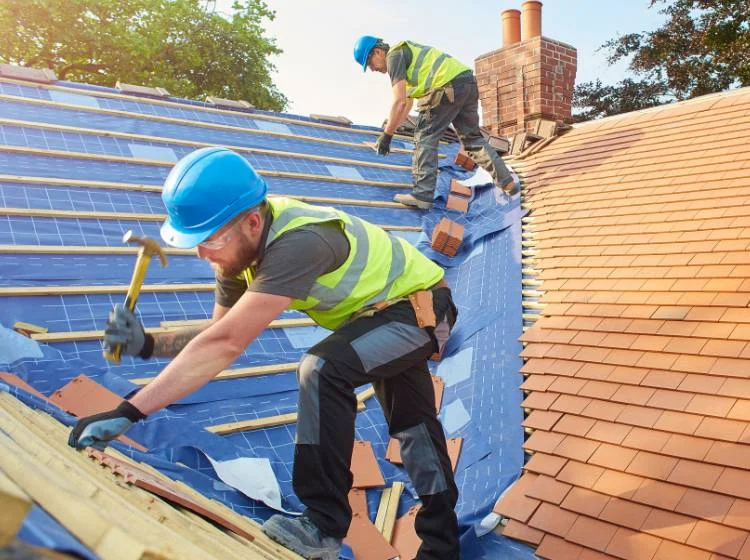
Essential roofing PPE includes:
- Safety helmets
- Non-slip safety boots
- Protective gloves
- High-visibility clothing
- Safety glasses or goggles
Wearing the right gear helps protect against slips, falling debris, sharp materials, and tool-related injuries.
Monitor Weather Conditions Carefully
Weather plays a major role in roofing safety, particularly in London where conditions can change quickly.
Avoid roofing work during:
- Heavy rain
- Strong winds
- Ice or snow conditions
- Thunderstorms
Wet or unstable surfaces dramatically increase accident risk.
Inspect Tools and Equipment Before Use
Faulty tools or damaged equipment can create serious hazards.
Before starting any roofing project:
- Check ladders for damage
- Inspect harnesses and ropes
- Ensure power tools are functioning safely
- Replace worn or damaged equipment immediately
Regular equipment checks improve both safety and efficiency.
Secure and Organise the Work Area
A safe site is an organised site.
Roofers should:
- Keep materials stored safely
- Clear walkways of hazards
- Secure loose tools and debris
- Protect areas below from falling materials
This helps protect both workers and members of the public.
Stay Aware of Electrical Hazards
Roofers may work near overhead power lines, solar systems, or electrical installations.
Safety precautions include:
- Identifying nearby electrical risks before starting
- Maintaining safe distances from power lines
- Using insulated tools where appropriate
Awareness of electrical hazards is critical to avoiding serious accidents.
Plan Jobs Properly Before Arrival
Preparation improves both safety and productivity.
Before attending a roofing job, roofers should review:
- Property type and roof access
- Job requirements
- Required equipment
- Weather conditions
Platforms like Tradze Rapid Response help roofers receive job details quickly, allowing better preparation before arriving on-site.
Communicate Safety Procedures with the Team
For larger jobs involving multiple workers, clear communication is essential.
Teams should:
- Discuss job risks beforehand
- Assign responsibilities clearly
- Agree on emergency procedures
Strong communication reduces misunderstandings and keeps everyone safer.
Conclusion:
Roofing carries significant risks, but most accidents can be prevented through proper planning, training, and safety practices. By prioritising fall protection, PPE, equipment inspections, and weather awareness, roofers can reduce workplace hazards and maintain professional standards.
Safe roofers are more efficient, more reliable, and better positioned to build long-term customer trust.
Using platforms like Tradze Rapid Response also helps roofers manage jobs more efficiently and prepare properly for each project.
 Add a new comment