

Winter is one of the busiest and most challenging seasons for electricians in the UK. As temperatures drop, the demand for heating systems, lighting, and emergency repairs increases significantly. At the same time, cold weather, shorter daylight hours, and wet conditions create additional risks on site. Being prepared for these challenges is essential to maintain both safety and efficiency.
Cold temperatures can affect both equipment and working conditions. Batteries may drain faster, cables can become stiff, and working outdoors becomes more physically demanding. Electricians must ensure they are equipped with the right tools and clothing to handle these conditions effectively. Proper planning can help avoid delays and reduce the risk of accidents.
Safety should always be the top priority, especially during winter when hazards are more common. Wet and icy surfaces increase the risk of slips and falls, while working with electrical systems in damp conditions requires extra caution. It is important to follow safety procedures strictly and remain aware of the environment at all times.
To stay safe and productive during winter, electricians should focus on the following key practices:
-
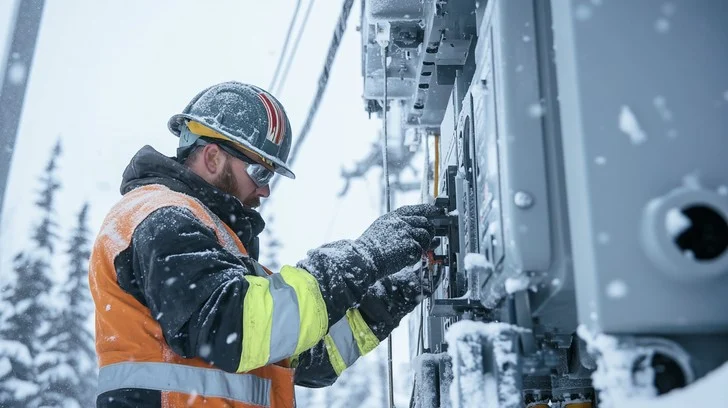
Wear appropriate protective clothing
-
Use insulated and waterproof clothing to stay warm and dry
-
Wear gloves that provide both warmth and dexterity for handling tools
-
-
Manage electrical risks in wet conditions
-
Always check that equipment is suitable for outdoor or damp environments
-
Use residual current devices (RCDs) to reduce the risk of electric shock
-
-
Plan work around daylight hours
-
Shorter days can limit visibility, especially on outdoor jobs
-
Use proper lighting to ensure safe and accurate work
-
-
Inspect tools and equipment regularly
-
Cold weather can damage cables and reduce battery performance
-
Regular checks help prevent faults and unexpected breakdowns
-
-
Take care when working at heights
-
Ladders and platforms can become slippery in icy conditions
-
Ensure all access equipment is stable and secure before use
-
-
Prepare for increased demand
-
Winter often brings more emergency call-outs for power issues and heating systems
-
Keeping essential tools and spare parts ready can save time on urgent jobs
-
-
Stay warm and take breaks
-
Working in cold environments can lead to fatigue and reduced concentration
-
Taking regular breaks helps maintain focus and overall wellbeing
-
Another important aspect of winter work is customer communication. Many clients rely heavily on electrical systems during colder months, so delays or issues can have a significant impact. Clear communication about timelines, potential risks, and solutions helps build trust and ensures a smooth service experience.
Electricians should also be aware of the increased use of electrical heating devices during winter. Faulty heaters, overloaded circuits, and temporary wiring can pose serious risks. Offering safety checks and advice to clients can prevent accidents and create additional service opportunities.
In conclusion, winter presents both challenges and opportunities for electricians in the UK. By prioritising safety, preparing for weather conditions, and maintaining a professional approach, electricians can continue to deliver high-quality work throughout the season. Proper planning and awareness not only protect you on the job but also help build a strong reputation with your clients.
 Add a new comment