

Electrical work is a highly skilled trade that requires careful planning, attention to detail, and strict adherence to safety standards. From small domestic jobs to large commercial installations, electricians must ensure that every task is completed safely and efficiently. Adopting best practices not only improves job quality but also builds trust with clients and enhances your professional reputation.
Below are ten essential tips that can help electricians work smarter, safer, and more effectively.
Top Tips for Electricians
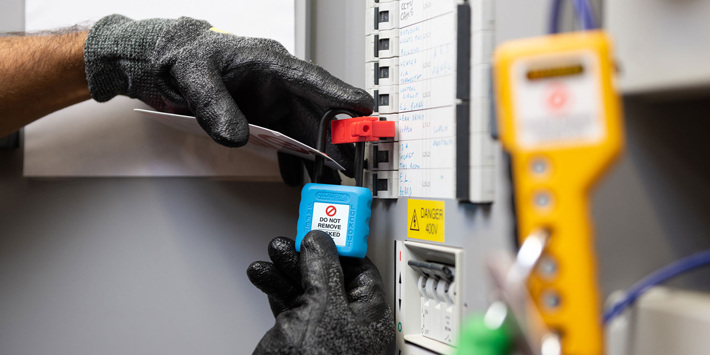
• Always isolate the power before starting work
Switching off and locking the power supply is the first and most important step to prevent electric shocks
• Test circuits before touching
Never assume a circuit is safe; always use a reliable tester to confirm there is no live current
• Use the right tools for the job
High-quality insulated tools improve both safety and efficiency during electrical tasks
• Keep your workspace organised
A clean and tidy work area reduces mistakes and prevents accidents
• Label wires and circuits clearly
Proper labelling helps avoid confusion during installation and future maintenance
• Follow current wiring regulations
Staying compliant with industry standards ensures safety and legal compliance
• Wear appropriate PPE
Protective gloves, safety boots, and eye protection help minimise risks
• Avoid overloading circuits
Ensure circuits are designed to handle the required load to prevent overheating and fire hazards
• Double-check your work
Always inspect connections and installations before restoring power
• Keep learning and updating your skills
Electrical technology evolves constantly, so ongoing training is essential for professional growth
Improving Efficiency on the Job
Efficiency is just as important as safety in electrical work. Completing jobs quickly without compromising quality helps build a strong reputation and increases productivity.
• Plan your work in advance
Understanding the job requirements saves time and prevents delays
• Use modern testing equipment
Digital tools provide accurate readings and speed up fault finding
• Carry essential tools at all times
Being prepared reduces unnecessary trips and interruptions
Common Mistakes to Avoid
Even experienced electricians can make mistakes if they are not careful. Being aware of common errors helps you avoid them.
• Skipping safety checks
Rushing through a job can lead to serious accidents
• Using damaged tools or cables
Faulty equipment increases the risk of electrical hazards
• Poor cable management
Messy wiring can cause confusion and potential faults
• Ignoring warning signs
Unusual smells, sounds, or heat should never be overlooked
Building Professional Standards
A successful electrician is not only skilled but also reliable and professional. Good communication, punctuality, and quality workmanship all contribute to long-term success.
• Communicate clearly with clients
Explain the work and provide honest advice
• Maintain high workmanship standards
Quality work leads to repeat business and recommendations
• Stay compliant with safety regulations
Professionalism includes following all required standards and guidelines
 Add a new comment