

Pest control in a busy city like London requires more than just basic equipment. With a mix of residential properties, commercial buildings, and historic structures, pest controllers must be equipped with specialized tools to handle a wide range of infestations efficiently and safely.
In this article, we explore the most commonly used tools by professional pest controllers in London and how they contribute to effective pest management.
1. Inspection and Detection Tools
Before any treatment begins, a thorough inspection is crucial. Pest controllers use tools such as:
- Flashlights and headlamps – Essential for inspecting dark areas like basements, lofts, and wall cavities.
- Inspection mirrors – Help view hidden or hard-to-reach spots.
- Moisture meters – Detect damp areas that attract pests like termites and cockroaches.
- Thermal imaging cameras – Identify pest activity behind walls or under floors without causing damage.
These tools ensure that the source of the infestation is accurately identified before treatment.
2. Traps and Monitoring Devices
Monitoring pest activity helps determine the severity of an infestation and track progress after treatment. Common tools include:
- Rodent traps – Snap traps, live traps, and electronic traps for rats and mice.
- Glue boards – Used for insects and small rodents.
- Pheromone traps – Attract specific insects such as moths or beetles.
- Bait stations – Secure containers that safely hold poison bait, especially in public or sensitive areas.
3. Application Equipment
To apply treatments effectively, pest controllers rely on specialized equipment:
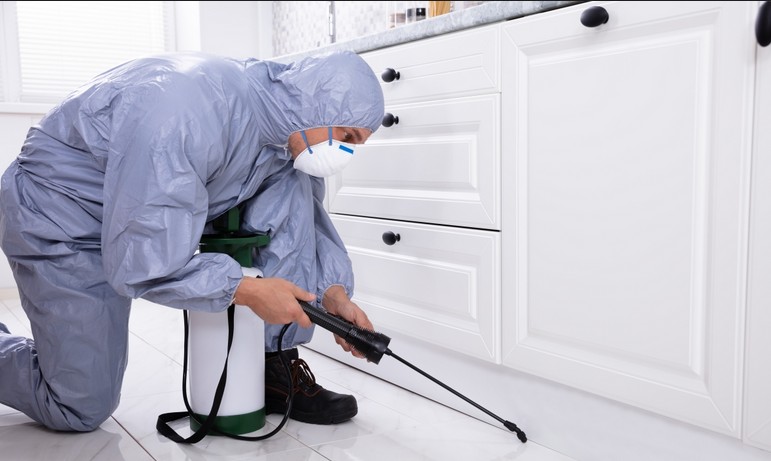
- Sprayers – Handheld or backpack sprayers for applying liquid pesticides.
- Fogging machines – Disperse fine pesticide mist to cover large areas quickly.
- Dust applicators – Used for applying insecticidal dust into cracks, crevices, and wall voids.
- Gel applicators – Ideal for precise placement of bait in kitchens and tight spaces.
These tools allow for targeted treatment, reducing chemical usage and improving safety.
4. Protective Gear (PPE)
Safety is a top priority in pest control. Professionals are equipped with:
- Gloves and coveralls – Protect skin from chemicals and contaminants.
- Respirators and masks – Prevent inhalation of harmful substances.
- Safety goggles – Shield eyes during chemical application.
Using proper PPE ensures both technician safety and compliance with health regulations.
5. Proofing and Prevention Tools
Long-term pest control involves preventing re-infestation. Tools used include:
- Sealants and caulking guns – Close entry points in walls, floors, and around pipes.
- Wire mesh and screens – Block access to vents and drains.
- Drain rods and cleaning tools – Maintain hygiene and eliminate pest habitats.
6. Digital Tools and Software
Modern pest control services in London also rely on technology:
- Mobile inspection apps – Record findings and generate reports instantly.
- GPS tracking systems – Optimize routes and monitor service efficiency.
- Customer management systems (CRM) – Schedule visits, manage clients, and maintain service history.
These digital tools improve service quality, transparency, and response time.
Conclusion
London pest controllers use a combination of traditional tools and modern technology to tackle pest problems effectively. From precise detection equipment to advanced application tools and digital systems, each piece of equipment plays a vital role in ensuring safe, reliable, and long-lasting pest control solutions.
Whether dealing with a minor infestation or a large-scale issue, having the right tools makes all the difference in delivering professional results.
 Add a new comment